
Why Marsh Points Hold Fish and Break Hearts on Falling Water
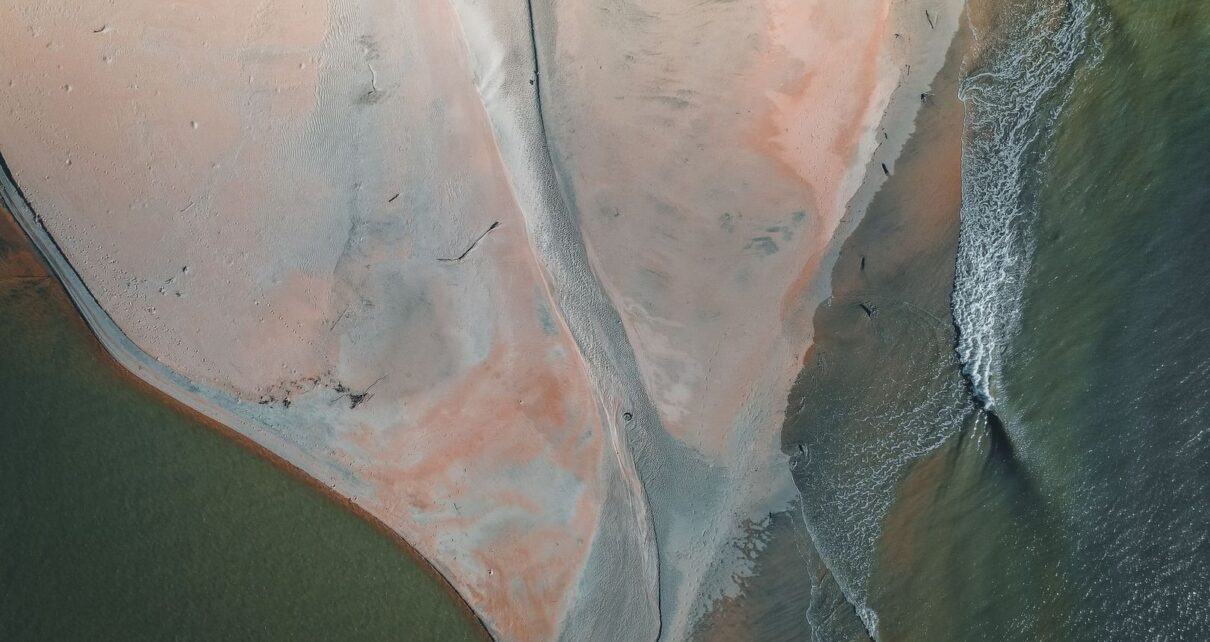
A marsh point can look empty until the tide starts falling. Then the flat begins to drain, shrimp and small baitfish are pulled toward the main channel, and every notch in the shoreline becomes a possible feeding lane. The point tip narrows that flow. Predators do not need to chase across the whole marsh. They can hold beside the current, spend little energy, and intercept food carried past them.
That same concentration makes these fish difficult to catch. The common mistake is setting up directly over the productive water, slapping the hull, dropping an anchor loudly, or pushing a pressure wave through the strike zone. Redfish, trout, and snook may leave before the first cast. Treat the point as a fluid-dynamics problem. Study the seam geometry, approach from outside the feeding lane, keep your boat quiet, and choose a casting angle that lets the lure enter the ambush water naturally. For broader context on tidal movement, review NOAA”s explanation of tides.
The Anatomy of an Ebb Tide Current Seam
As water retreats from a shallow marsh, it accelerates through cuts, drains, and narrow channels. Flow often becomes fastest around the point tip, where the bank turns and the outgoing water meets deeper channel water moving at a different speed or direction. The result is not one uniform river of current. It is a layered system with a fast lane, a shear boundary, and a softer pocket behind the point.
Think of the point as a blunt object in moving water. The boundary layer touching the bank loses speed because of friction. As the current rounds the tip, it can no longer follow the contour cleanly. The flow separates from the bank and rolls into a recirculating, lower-energy area. This is called flow separation, and the underlying process is explained in this reference on boundary-layer separation. On the water, you may see it as a line of foam, floating grass, bubbles, or small debris that stalls, curls, or tracks back toward the point.
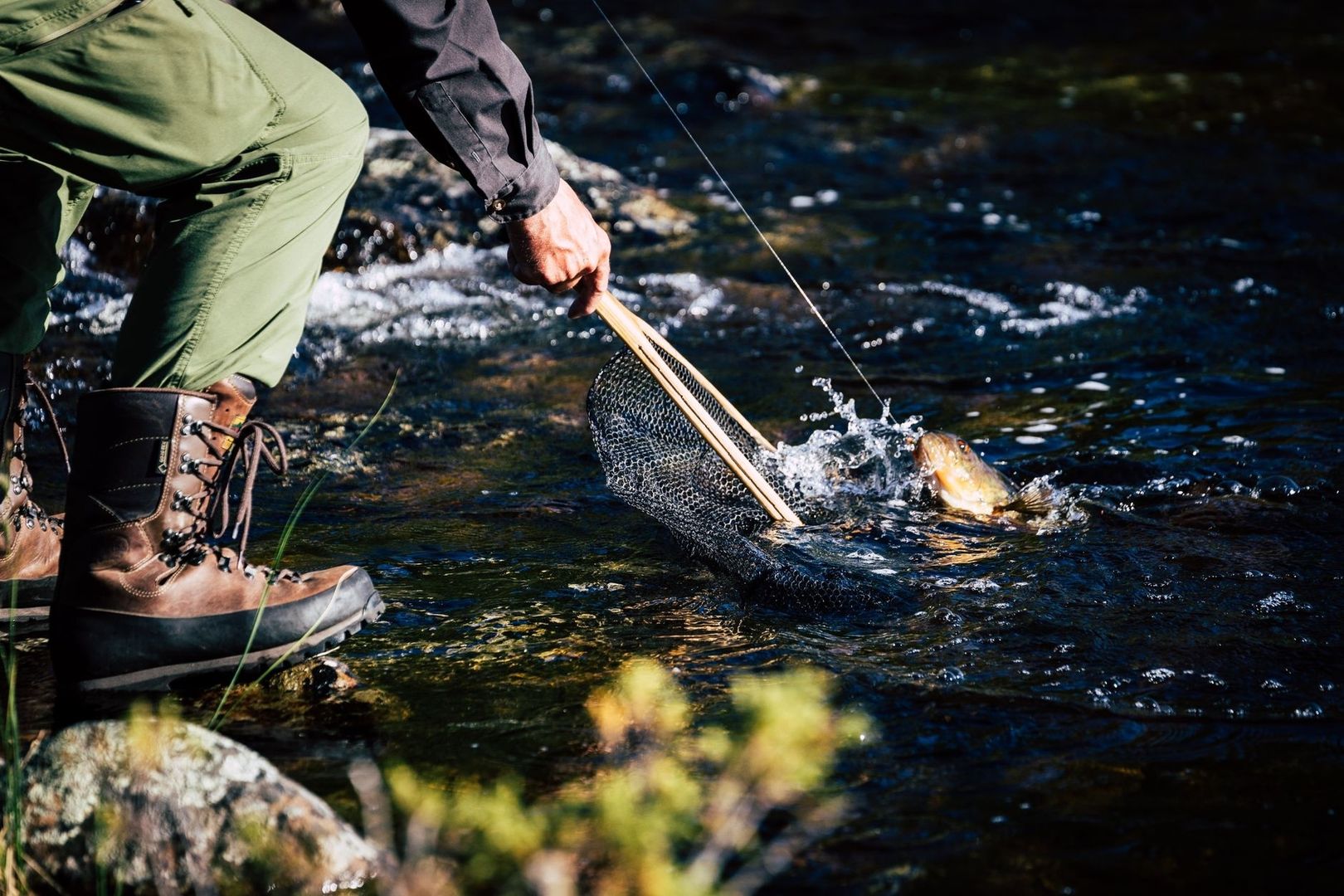
Predators use these energy differences precisely. A redfish may settle belly-to-mud in the soft eddy, facing into the flow and waiting for shrimp or baitfish to wash past. Speckled trout often hold along the shear boundary, where fast water delivers food but the fish can slide into slower water between strikes. Snook can use a deeper edge, submerged root, or darker side of the point. The fish are not always at the visible tip. Check the downstream shoulder, the first depth change, and any submerged oyster or grass edge that interrupts the flow.
- Follow bubbles and floating grass to trace the fastest current.
- Look for a clean line where rippled water meets smoother water.
- Check the pocket behind the point, especially near a drop-off.
- Search overlooked grass channels that connect two larger marsh basins.
Do not assume the biggest, most obvious drain is best. A narrow channel hidden in matted grass can scour deeper than the surrounding flat and funnel bait through a small pinch point. These subtle cuts often receive less fishing pressure. Read the water before you cast, and let the current show you where the food must travel.
Calculating Boat Position to Eliminate Pressure Waves and Hull Slap
Positioning begins before the anchor or shallow-water pole touches bottom. If you stake out directly up-current from the point, the hull sits in line with the flow and every movement sends sound and pressure toward the fish. Hull slap is especially damaging in calm, shallow water because the bottom and banks can carry vibration. A heavy step, a dropped tackle box, or a fast trolling-motor correction may be enough to end the bite.
Set up down-current and outside the main strike zone whenever the channel allows. A cross-current angle is usually more useful than a straight upriver or downriver position. It gives you a clean sightline to the seam, keeps the boat”s shadow away from the holding water when the sun is low, and lets you cast across the flow instead of directly into it. Start farther away than feels necessary. You can shorten the distance after learning how the fish respond, but you cannot recover a spooked school by moving closer.
Sun angle matters. When the sun is behind you, your boat and rod can project sharp silhouettes across shallow water. If possible, position so the sun puts the shadow behind the boat or across empty water. Wind ripples can hide minor surface disturbance, but they do not erase a dark hull shadow or a loud pole deployment. Use the wind as cover, not as permission to fish carelessly.
- Idle well outside the point and cut power before entering the likely strike zone.
- Watch the current, wind, sun, and depth before choosing an anchor or pole position.
- Set the boat at a cross-current angle, with the bow or stern pointed away from the seam.
- Make the first casts long and quiet, then adjust only if the fish show no response.
Use the trolling motor at the lowest effective setting. Short, controlled bursts are better than continuous corrections. In very shallow water, deploy a pole smoothly and avoid repeated stabbing motions. If anchoring is necessary, lower the anchor rather than throwing it. Keep loose gear secured, ask everyone aboard to limit movement, and remember that shallow water transmits sound efficiently. Good boat control is not a luxury here. It is part of the lure presentation.
Reading Velocity Transitions Across the Fall
Tidal current does not run at one speed for the entire ebb. A tide chart shows water height, but the steepest part of the curve generally indicates the strongest exchange. Current often builds after the turn, reaches its most productive phase during the middle of the fall, and weakens as low slack approaches. Because tidal flow velocity peaks as the curve steepens, tracking the current cycle helps you choose the right seam instead of relying only on the clock.
Fish adjust their holding depth and distance from cover as velocity changes. During the early fall, they may remain close to the marsh edge while the first bait begins to drain. During the mid-ebb rush, stronger flow can push trout onto the shear line and move redfish into the protected pocket behind the point. During the final drain, the remaining water may be shallow and concentrated. Fish can slide toward the deeper channel mouth, a scour hole, or the last usable trough.
| Tide phase | Current character | Likely fish position |
|---|---|---|
| Early fall | Building flow with scattered bait | Edges, grass cuts, and the upper side of the point |
| Mid-ebb | Strongest exchange and clearest seam | Trout on the shear line, redfish in the soft pocket |
| Final drain | Falling water with fewer escape routes | Deepest channel edge, drain mouth, and remaining eddy |
Wind can strengthen, weaken, or redirect the apparent surface flow, so compare floating debris with the tide prediction. If the surface says one thing and the subsurface lure says another, trust the feel of the line and the angle of your jig. Spring tides around the full and new moon often produce stronger exchange, while neap tides can make a shallow point easier to fish but less concentrated. Be keen on timing, and plan to be in position before the useful current arrives.
Drift Angles and Presentation Tactics Across the Ambush Line
A straight downstream cast often creates a poor lure path. The lure races with the current, the line leads it unnaturally, and the bait may never cross the fish”s field of view. Spooky trout and educated redfish can detect that mismatch immediately. Instead, cast slightly up-current and across the seam. Let the lure enter fast water, travel along the boundary, and wash into the slower pocket.
A 45-degree cross-stream presentation is a reliable starting point. It gives the lure time to move across different velocities and keeps the retrieve connected to the bottom without forcing the bait to plunge. Your goal is not to overpower the current. Your goal is to let the water do most of the work. Hold the rod high enough to control slack, then lower it as the lure reaches the pocket. Many strikes come when the lure loses speed at the edge of the eddy.
- Choose a light jig head that reaches the bottom without burying in mud.
- Increase weight only when current or depth prevents contact.
- Allow the lure to tumble or glide naturally before adding action.
- Use short lifts for redfish and subtle mid-column twitches for trout.
- For snook, work the edge of deeper cover with a controlled pause.
Match weight to velocity, not habit. A jig head that works on the first hour of the ebb may plunge too quickly during the mid-ebb rush. If the lure drops straight down, drags unnaturally, or wedges in the bottom, lighten it. If it never reaches the feeding depth, add just enough weight to maintain contact. Braided main line with a fluorocarbon leader helps you detect soft pickups while keeping the presentation compact.
Redfish often respond when a soft plastic ticks bottom, slides over a shallow lip, or pauses in the eddy. Trout may prefer a bait that suspends or flickers just above the seam, especially when shrimp are being swept through midwater. Do not retrieve too quickly. Make the cast, let the current establish the lure”s path, and watch for the line to straighten, hesitate, or move sideways.
Dial In Your Stalk and Own the Ebb Tide
Successful marsh-point fishing brings three skills together. First, read the fluid mechanics: identify the fast lane, the shear boundary, and the low-energy pocket. Second, protect the fish from your boat by controlling hull slap, shadows, motor noise, and anchor movement. Third, make the lure follow the same path as natural forage, crossing from fast water into the protected seam.
Scout points at dead low water when the structure is visible. Note the deeper cuts, oyster edges, isolated grass channels, mud shelves, and hard-bottom transitions. Save those details for the next falling tide, then approach slowly and start outside the strike zone. Let the water”s natural energy carry the lure. When you stop trying to force the presentation, wary gamefish often give you the first clean opportunity.