
Why the Toughest Wind Days Offer Your Best Inshore Advantage
When the forecast shows a stiff breeze, many anglers look for shelter or stay home. That can be a mistake. Wind is not random noise on the water. It is a moving conveyor belt that shifts bait, stirs the bottom, changes oxygen levels, and gives predators cover. Read it correctly, and a rough shoreline can become the most active feeding zone in the bay.
Start with the conditions, not the spot. Check wind direction, wind speed, tide stage, water clarity, swell period, temperature, and available structure before launching. A useful inshore fishing resource can help you organize that process, but the water still supplies the final answer. Surface chop breaks the clean visual outline that makes redfish, seatrout, snook, and other predators cautious. It also pushes small baitfish and shrimp toward edges where predators can feed with less effort.
The Mechanics of Onshore Gusts and Mud Bank Traps
A direct onshore wind pushes water toward the shoreline. That movement may be subtle over a protected flat, but over time it compresses forage against banks, oyster edges, grass lines, seawalls, points, and shallow mud. Glass minnows, shrimp, and mullet do not need to be visibly fleeing for the pattern to work. The wind can simply make their escape routes narrower, placing more food in a predictable band.
Look for the shoreline receiving the breeze first. Windward banks often show a darker water color, floating grass, foam streaks, or a visible mud plume. These signs mark more than dirty water. They identify a boundary between disturbed and relatively clean water, and that boundary can become a high-percentage ambush line. Redfish may push into the shallows to root through warm mud, while seatrout often hold just outside the heaviest turbulence where they can see prey without exposing themselves.
Field guidance on working wind on bays emphasizes that wind can push bait toward exposed shorelines while providing surface cover for trout and redfish. Use that principle, but do not run blindly into the roughest water. Position the boat in deeper water, outside the mud plume, and cast toward the dirty-to-clean seam. Your lure should cross the edge, not disappear in the thickest silt.
- Target windward points, pockets, oyster bars, and grass edges.
- Search for a distinct color change instead of fishing uniformly dirty water.
- Keep the boat outside the shallowest zone so casts land ahead of moving bait.
- Probe the edge first, then work slightly deeper if the bank produces no signs of life.
Use your eyes and ears. Mullet flicking along the bank, shrimp skipping from the surface, diving birds, or small bait collecting in foam all strengthen the pattern. Mud can also retain heat, which matters during a cold spell. In two to five feet of water, a wind-stirred flat with scattered shell, grass, and soft bottom may hold fish longer than a featureless bank.
Offshore Breezes and the Silent Architecture of Leeward Seams
When wind blows from land toward open water, the immediate shoreline may look calm and glassy. That protected water is not automatically empty. A light offshore breeze can pull surface water away from the bank and create a subtle conveyor that carries small bait toward drop-offs, points, channels, and the first deeper trough.
Read the calm water closely. Look for tiny slicks, lines of floating debris, temperature changes, nervous bait, or a faint surface wrinkle that does not match the surrounding water. Offshore wind can generate reverse eddies around protruding mangrove points, dock corners, creek mouths, and hard shoreline turns. Water pushed away from the bank must be replaced, and that replacement flow often creates a subsurface current seam.
Do not assume a calm leeward shoreline is always the best answer. Wind speed matters, and tides can produce rollers or strong current even when the air feels quiet. The practical lesson is to combine direction with movement. An offshore breeze plus a falling tide may sweep bait off the edge and into a waiting predator lane. Cast along the drop-off, not directly at the bank, and let the lure track through the zone where shallow water falls into the channel.
- Check protruding mangrove points and creek mouths for reverse eddies.
- Follow bait from the shoreline toward the first drop-off.
- Fish the down-current side of points where predators can hold efficiently.
- Use calm water to improve lure visibility, but reduce speed if fish appear wary.
Leeward seams can be especially useful when the wind is too strong for comfortable casting on the exposed side. They also provide a safer route for a kayak or small skiff. Still, keep an exit plan. Conditions can change quickly, and a protected shoreline may become difficult to leave when the tide turns or the wind builds during the afternoon.
Lure Selection Breakdown Across Different Wind Conditions
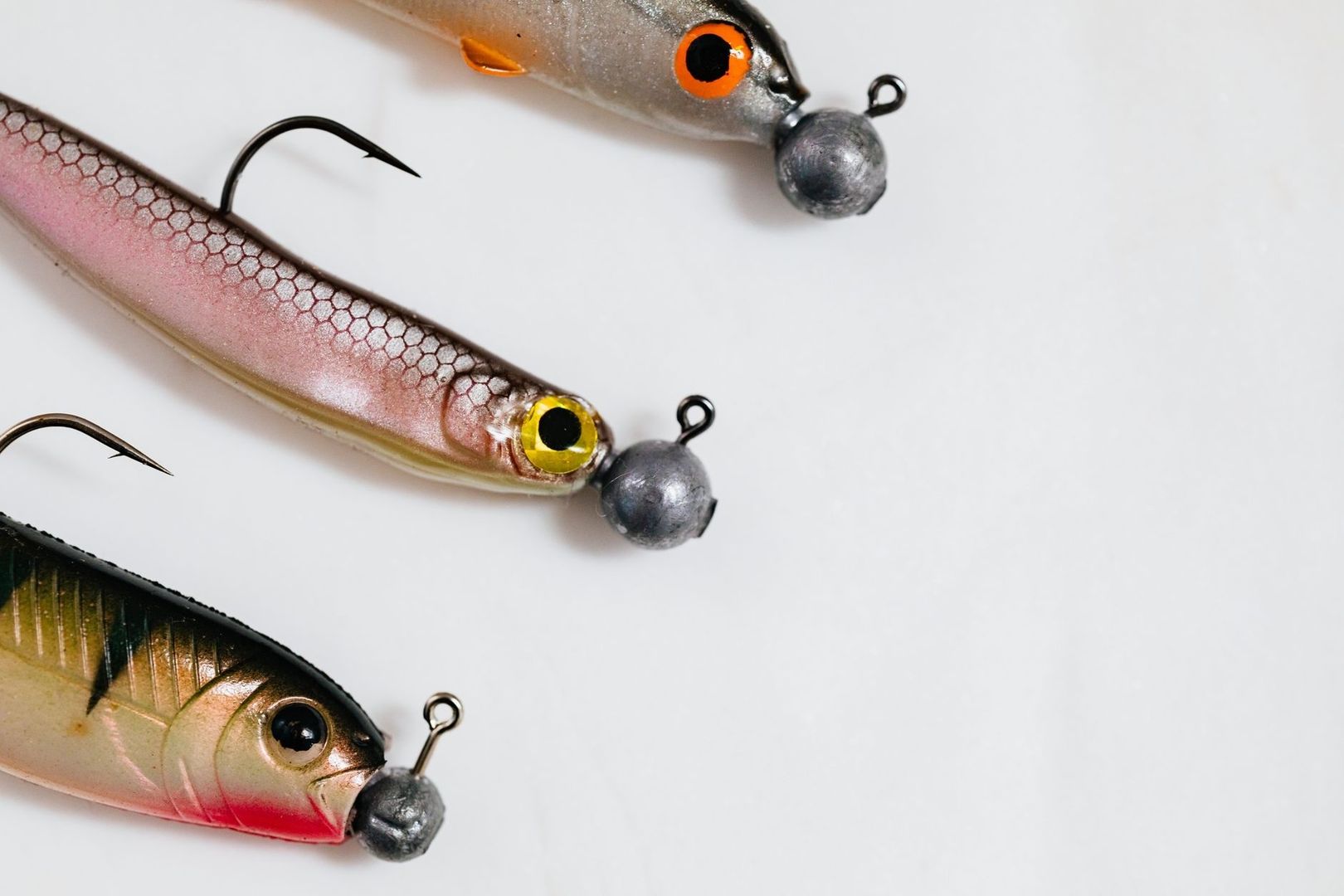
Choose the lure after reading water clarity and wave height. In clean, calm water, a subtle suspending plug, soft plastic, or lightly weighted spoon can look natural. In wind-driven chop, increase casting weight and vibration so the lure reaches the strike zone and gives fish something to track. Strong wind can also pull line into a bow, so a lure that fishes slightly deeper often provides better contact than a very light bait.
Wind can move bait toward shore, but it can also reduce visibility and push fish into cover. Practical weather guidance for fishing recognizes that wind may improve feeding by concentrating bait, while excessive disturbance favors protected locations and requires adjustments in lure speed, sound, and casting position. Match your presentation to what predators can detect, and manage slack continuously. A strike may feel soft because the fish follows the lure downwind after taking it.
| Wind condition | Where to fish | Lure profile | Presentation focus |
|---|---|---|---|
| Onshore breeze | Windward banks, mud seams, shell, grass edges | Heavier soft plastics, spoons, shallow plugs | Cast into dirty water and retrieve across the clean edge |
| Offshore breeze | Leeward points, drop-offs, creek mouths, reverse eddies | Subtle suspending plugs, jig heads, smaller plastics | Track the lure along the retreating bait lane |
| Crosswind | Current seams, wind rows, downwind corners | Moderate-weight plastics, vibrating plugs, topwaters when visible | Cast across or slightly upwind to maintain contact |
Mistakes to avoid: Do not select the lightest lure simply because the fish are shallow. If the wind creates slack between rod tip and lure, you lose feel, depth control, and hook-setting power. Use braided line with a suitable leader, keep the rod tip lower when needed, and choose a high-speed reel if it helps you recover line quickly. In heavy chop, twitch lightly while removing slack instead of ripping the lure through the zone.
Mastering Boat Control and Natural Presentation Angles
Boat position controls everything that follows. Fish generally face into current or moving water because that is where food arrives. A lure cast straight downwind may move away from the fish or approach from behind, which can look unnatural. Cast across the wind or slightly upwind instead. This lets the lure cross the predator”s field of view while the wind-created line belly helps move it with a slow, believable wobble.
Place the boat upwind of the likely fish lane whenever possible. Use a shallow-water anchor to hold on a productive edge, a trolling motor heading lock to maintain direction, or a controlled drift when the shoreline is too broad to anchor efficiently. Kayak anglers can angle the bow across the breeze and use a drift chute or paddle corrections to prevent the craft from sliding too quickly past the strike zone. Keep the casting shoulder, wind direction, and shallow-water hazards in mind before settling into a position.
A natural presentation requires more than a good cast. Watch how the lure behaves beside the boat. If it races unnaturally, rises out of the strike zone, or drags a long loop of line across the surface, adjust the angle, weight, retrieve speed, or boat heading. A short cast placed accurately along the seam will often outproduce a long cast that loses contact.
- Check the wind compass degree and identify the bank or point receiving the most useful water movement.
- Confirm the tide direction, then find where wind and current reinforce each other rather than cancel each other.
- Approach from deeper water and shut down well outside the shallow feeding zone.
- Set the anchor, heading lock, or drift angle so casts land across or slightly upwind of the target.
- Make several short test casts to measure lure speed, line belly, depth, and drift rate.
- Work the dirty-to-clean edge, drop-off, or current seam before moving to less defined water.
- Remove slack continuously, and pause before setting the hook if the line suddenly loads or moves sideways.
For fly anglers, keep false casts to a minimum and use firm rod stops. A low sidearm cast helps under a headwind, while a controlled backcast presentation can keep the fly away from your body when the wind crosses the casting shoulder. Spin anglers should also protect their hands and eyes from errant hooks, especially when casting from a kayak or crowded boat.
Safety remains part of the pattern. Wind direction can make one shoreline productive and the next one dangerous. Wear a properly fitted personal flotation device, carry navigation lights and communication equipment, secure loose tackle, and avoid crossings that expose a small craft to building chop. Layer for changeable weather, use sun protection even under cloud cover, and pack water in a dry bag.
Put the Wind at Your Back on Your Next Tide
The key shift is simple. Stop treating wind as a condition to defeat and start treating it as physical water movement to interpret. Onshore gusts can push bait into mud banks and windward structure. Offshore breezes can draw forage toward drop-offs and create quiet but productive seams. Crosswinds can reveal the angle that keeps your lure in front of feeding fish.
Before planning the next launch, check wind direction in compass degrees alongside the tide chart. Mark the shorelines that will receive the breeze, identify safe protected routes, and choose lure weight for the expected chop and clarity. Read the water before you cast. The rough, active shoreline that other anglers avoid may be the exact place where bait, current, and predators line up.