
Why Cold Fronts Shake Up the Inshore Bite
The first clear morning after a winter front can make any angler hesitate. The sky is bright, the north wind has sharpened, and the water temperature has dropped overnight. Flats that looked lively yesterday may seem empty. Do not assume the fish have vanished. In many estuaries, the cold has simply compressed their options.
Speckled trout, redfish, and flounder are governed by the water around them. As shallow water cools quickly, fish seek stable temperatures, shelter from wind, and an easy meal. That movement often places them along deep edges, canal mouths, dark mud, protected basins, and current seams. The winning adjustment is rarely a frantic search. It is a deliberate move to likely thermal refuges, followed by a slower retrieve that keeps the lure in the strike zone.
This approach starts with the physics of a shallow estuary, then moves to the small habitats that hold warmth and bait. Finally, it changes your cadence. Read the water before you cast, stay alert to tide and clarity, and let the conditions tell you how slowly to fish.
Estuary Physics and the Biology of Cold Shock
A winter front usually arrives in stages. Pressure may fall ahead of the system, winds shift, and the front passes with rain or cloud cover. Behind it, high pressure often brings clear skies, biting north winds, and rapid evaporation from exposed water. Anglers commonly blame the high pressure alone when the bite slows, but temperature, wind, tide, and water clarity usually work together. A falling tide with a sharp temperature drop can move fish much farther than a modest barometric change by itself.
Shallow estuaries react quickly because they contain less water volume and receive direct exposure to cold air and wind. Wind-driven mixing can strip warmth from a flat, while a deeper bay, canal, or channel changes more slowly. That difference creates a thermal map within a small area. One shoreline may be several degrees more comfortable than an exposed flat, especially when it is protected from the wind and warmed by afternoon sun.
Redfish and speckled trout are ectothermic, meaning their body temperature and performance depend heavily on their environment. When water cools rapidly, metabolism and feeding activity commonly slow. Fish may still feed, but they often avoid long chases and hold close to the bottom or beside structure. That is why a lure moving two feet above them can go unnoticed while a soft plastic crawling through the lower part of the water column gets a solid response.
Use public measurements rather than guessing when conditions are changing quickly. The National Estuarine Research Reserve System tracks temperature, salinity, dissolved oxygen, weather, and other variables through its monitoring program. Anglers can explore those records through Teach with Data to understand how regional estuaries react to cold events. Local readings will not replace observation on the water, but they can reveal whether a front caused a brief dip or a sustained change.
Targeting Winter Shelters and Micro-Thermal Pockets
Do not pick a winter spot at random. Start with places that combine depth, dark bottom, protection, and food. Dark mud absorbs solar energy during clear post-front afternoons, then releases some of that warmth back into the surrounding water. A shallow mud pocket next to a deeper channel can therefore become a temporary feeding station, especially around midday when sunlight has had time to work.
Deep canal dead-ends, residential basins, bayou drop-offs, and protected boat basins can also hold concentrated fish. They block some wind, retain water that is slower to cool, and often collect shrimp, small baitfish, and scraps carried by the tide. Flounder favor bottom-oriented structure such as drop-offs, bulkheads, hard edges, and current-diverting walls. Trout and redfish may suspend slightly above the bottom, but they frequently relate to the same depth changes.
| Habitat | What it offers after a cold drop | How to fish it |
|---|---|---|
| Dark mud pocket | Sun-warmed shallow water and feeding lanes | Use a lightly weighted plastic and make long, quiet casts |
| Deep canal or basin | More stable temperature and wind protection | Work the lower water column with enough weight to maintain contact |
| Depression edge | A travel route between shallow and deep water | Fan cast across the lip, then pause on the drop |
| Bayou or creek drop-off | Current, bait concentration, and escape cover | Drift or cast along the seam with short hops |
Watch the sun angle and the tide. A mud flat may be unproductive at first light but improve after several hours of sunshine. A protected pocket can also lose its advantage if an outgoing tide drains the warmer water. Be keen on timing. Return to promising areas during the part of the tide that pushes bait across the edge, not simply when the spot looks attractive.
Observing Inshore Food Chains Under Stress
Forage reacts to a sudden cold event before you see a predator strike. Mullet may leave very shallow water and slide into channels or sheltered creeks. Pinfish can bunch around structure, while shrimp may settle close to the bottom or move with the tide through drains. A few nervous baitfish do not always mean an active bite, but repeated movement along one depth contour is valuable information.
Predators respond to that compression. Larger redfish can patrol tidal channels, and trout may settle beside a drop-off where bait has fewer escape routes. Flounder often wait on the bottom near a current seam, facing into moving water. Deeper channels and passes may also attract marine mammals that follow dense bait schools. NOAA describes the Common Bottlenose Dolphin as a coastal and estuarine hunter that feeds on fish, squid, and crustaceans. Give dolphins space, never feed them, and avoid casting into feeding activity.
- Look for bait flicking along a channel edge rather than scattered randomly across a flat.
- Check drains, creek mouths, and current seams where shrimp or small fish are being funneled.
- Note birds, slicks, mud puffs, and nervous water, but confirm them with depth and tide.
- If surface signs disappear, keep searching the bottom half of the water column.
When fish refuse standard lures, natural signs still guide the adjustment. A mullet school that moves steadily without fleeing may indicate travel rather than feeding. A sudden burst followed by silence can mean a predator made one pass and repositioned. Slow down, cast beyond the activity, and bring the lure through the edge. Bright winter light and clear water also make stealth important. Reduce boat noise, limit unnecessary trolling-motor movement, and avoid crossing directly over shallow fish.
The Cold-Front Retrieve Adjustment Checklist
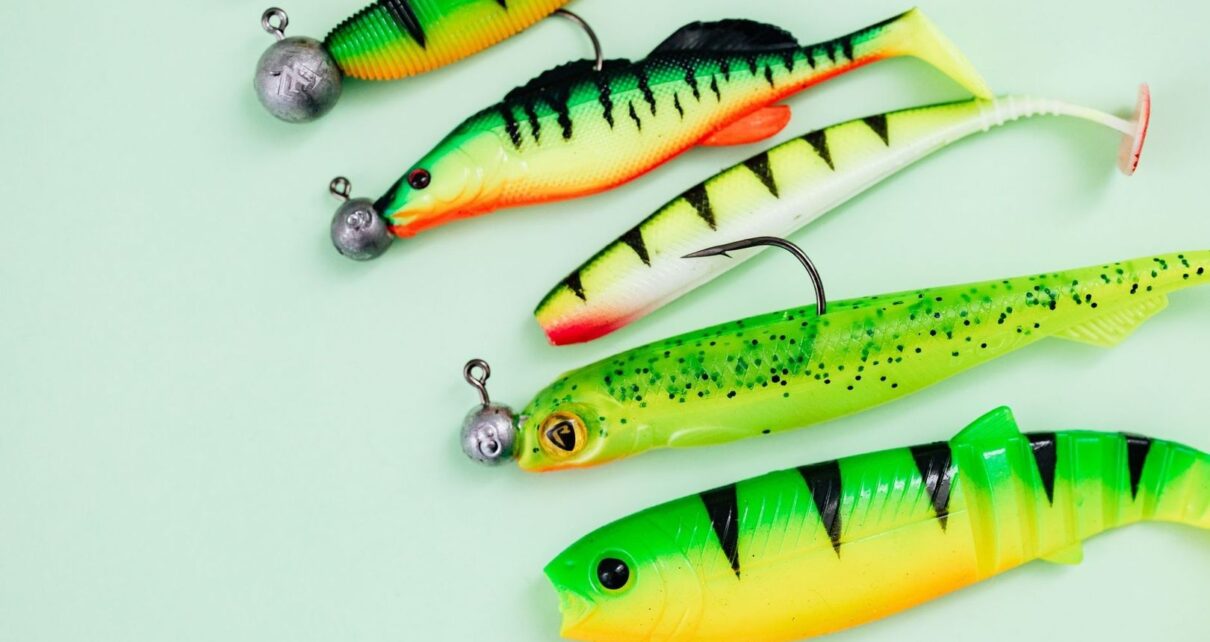
Cold water rewards control. Start with a smaller profile and the lightest jighead that still reaches the working depth. On shallow flats, that may mean a light jighead or a weedless weighted hook. In a deep canal or channel, use more weight so the lure stays near the bottom, but do not turn the presentation into a fast, heavy plummet. For clear water, a thin fluorocarbon leader can help, while scent on a soft plastic can give a hesitant fish another reason to hold on.
A paddle tail, shrimp imitation, or other scented soft plastic should glide, not race. After the lure reaches depth, make a small lift, let it settle, and keep the line just tight enough to detect a pickup. The dead-sticking pause is the key change. A two-second pause may become eight to twelve seconds after a sharp temperature drop. Many strikes arrive while the lure appears motionless.
- Check water temperature, wind direction, clarity, and tide before choosing a location.
- Begin at a protected depth change near mud, shell, a creek mouth, or a canal edge.
- Cast beyond the target zone and allow the lure to reach the bottom or chosen depth.
- Make one subtle twitch, then let the lure glide and pause for eight to twelve seconds.
- Repeat the same lane several times before changing locations. Cold fish may not chase far.
- If you feel a tap, do not immediately rip the lure away. Lower the rod slightly, maintain contact, and set according to the lure and species.
- Adjust only one variable at a time. Change retrieve speed first, then depth, profile, or color.
For flounder, keep the presentation close to bottom and allow extra time after a strike. A fish may need a moment to turn the bait before you respond, particularly when using natural bait or a soft plastic. For trout, watch for a light tick or unusual slack in the line during the pause. Redfish may load the rod gradually rather than deliver a sharp jolt. Set the hook with control and keep the drag smooth.
Mistakes to avoid include burning a lure across cold water, changing spots after only one cast, and using excessive weight that kills the glide. Another common pitfall is fishing the warmest-looking pocket without checking its connection to bait and tide. A thermal refuge becomes productive when it also provides food and a workable ambush point.
Master the Freeze and Unlock Predictable Bites
A post-front morning is not automatically a lost trip. It is a sorting mechanism. Shallow water cools, bait compresses, and predators gather where temperature, protection, and food overlap. Once you locate that combination, you can often leave unproductive water behind and concentrate on a short stretch of edge, bottom, or current seam.
Stay glued to the micro-structure. Fish the dark mud beside deeper water, the protected side of a basin, and the lower edge of a drop-off. Slow the retrieve until the lure spends real time in front of the fish. Check the tide, dress in layers for changeable weather, and bring traction, sun protection, and a dry bag if you are wading or working from a small craft. Read the shoreline conditions, execute patiently, and let the freeze show you where the bite has been organized.