
Stop Blind Casting into the Empty Surf
From the beach, the surf can look like one broad sheet of moving water. That appearance is misleading. Beneath the foam, waves are crossing sandbars, spilling into troughs, and pushing bait through narrow channels. The angler who casts everywhere may cover plenty of water but still miss the few places where predators can feed efficiently. The angler who pauses to read coastal water can often find the strike zone before making the first cast.
Think in terms of an 80/20 pattern. A small portion of the beach usually offers the depth, current, cover, and food that attract most of the fish. You do not need expensive electronics to find it. Breaking waves act like a live topographic map. Their height, spacing, direction, and disappearance reveal where the bottom rises, where it drops, and where water is being squeezed through a cut.
Anatomy of the Surf Zone Structure
Start by breaking the beach into zones. The outer bar is the first major ridge that forces incoming waves to stand up and break. Behind it lies the outer trough, often called a gut or gully. This deeper lane may run parallel to the beach and give fish a protected travel route. Some beaches contain a second bar and another trough closer to shore. The final section is the inner wash, where waves run up the beach and retreat across shallow sand.
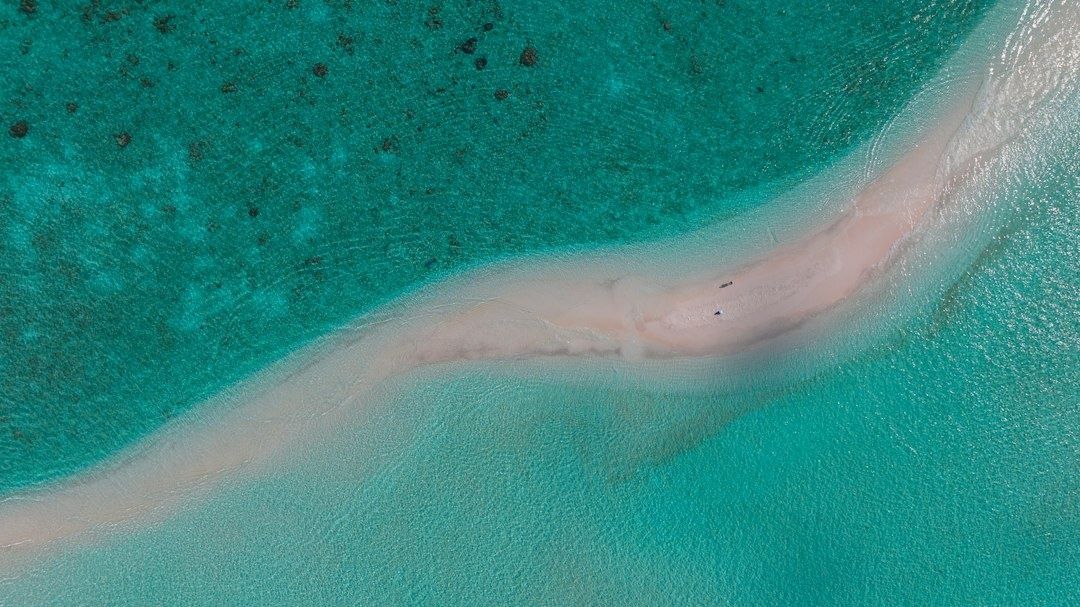
Predators use these features because structure saves energy. A striped bass, redfish, snook, bluefish, or other gamefish does not need to swim continuously through the heaviest white water. It can hold in a deeper trough, beside a bar, or behind a current seam while waves and tide deliver food. Baitfish are pushed, disoriented, or concentrated by the same water movement, creating a dependable feeding opportunity.
Look for differences rather than isolated colors. Productive water often shows a combination of depth, current, and food. Bait, birds, foam lines, uneven wave breaks, and a visible change in water color all deserve attention. A long stretch where waves break evenly at the same distance may be attractive scenery, but it can lack the depth change that keeps larger fish nearby.
- Outer bar means a shallow ridge where waves crest and break early.
- Trough or gut means deeper water between bars or between a bar and the beach.
- Washout means a depression or channel cut through a bar by moving water.
- Point means a beach projection that can redirect current and create a deeper edge.
- Foam line often marks a current boundary where drifting food collects.
Do not assume every dark patch holds fish. Cloud cover, suspended sediment, seaweed, and changing light can alter the appearance of depth. Treat visual clues as a starting point, then confirm them by watching how several wave sets behave across the same area.
Decoding Wave Dynamics to Map Depth
Wave behavior changes when the seabed becomes shallow. As a wave moves over a bar, the bottom slows its lower portion. The wave steepens, the crest pitches forward, and the water turns white. That early break marks the shallow structure. Behind the bar, the deeper trough allows waves to roll farther before breaking, or to reform and break again closer to shore.
Deep water is not always perfectly calm. Wind, swell direction, and tide can create surface texture in a trough. The useful clue is the contrast between neighboring areas. When waves break hard on both sides but lose height across a seaward gap, that gap may be a cut with water moving through it. A section of water that appears smoother, darker, or less foamy can also indicate a hole or deeper lane. Use elevated viewpoints whenever possible, and remember that shallow flats can become dangerous quickly as the tide rises, particularly on beaches with large tidal ranges such as Cape Cod’s extensive flats and sandbars.
| Surface clue | Likely bottom feature | Angling meaning |
|---|---|---|
| Waves crest and break in a straight line | Shallow outer bar | Fish the seaward or shoreward drop-off |
| Waves flatten between two breaking sections | Bar cut, hole, or deeper trough | Look for a rip and current seam |
| Waves reform and break again closer to shore | Deep trough between bars | Work the trough and its edges |
| Dark water with reduced wave action | Hole, pothole, or deeper pocket | Probe the slopes and exits |
| Foam and debris stream seaward | Rip current or washout | Fish the margins, not the fastest center |
Watch several wave sets before deciding what you see. One wave can hide the bottom pattern, while a longer set exposes the bar and trough sequence. A rising or falling tide can also move the apparent break, so mark the feature mentally or with a discreet shoreline reference such as a dune, fence post, or lifeguard stand.
Locating Cuts, Holes, and Predator Feeding Funnels
A cut is a breach in a sandbar. It acts like a funnel. Water that moved shoreward with the incoming wave must return seaward, and a breach concentrates that flow into a narrower route. Baitfish, shrimp, crabs, and other prey can be swept toward the opening. Predators often hold along the slower water beside the fast flow, where they can intercept food without fighting the strongest current.
Look for two common signs. The first is a flat or unusually smooth gap in the breaking surf. The second is discolored, churning, or foam-streaked water moving offshore. The center of a rip can be turbulent and unsafe, especially for waders. The productive strike zone is usually along an edge, where the outgoing current meets water that is moving more slowly.
Approach the cut as you would a river channel. Cast beyond the structure when possible, then retrieve across the drop-off or allow the current to carry the lure along the seam. If the bar is shallow enough, a cast over the bar and a retrieve down its seaward slope can imitate prey leaving the shallow area. Work both sides of the cut because the preferred holding side can change with wind, swell, and tide.
- Start at the downstream edge of the cut, where food exits the fast water.
- Probe the shoulders of the rip instead of casting repeatedly into its strongest center.
- Fish the deep side of a bar with a steady retrieve and occasional pauses.
- Cover the near and far edges of a hole, then change lure depth before changing location.
- Watch for baitfish, diving birds, and sudden surface disturbances that confirm the structure is active.
Common pitfalls include fishing only the visible white water, standing directly in a rip, and assuming a dramatic hole is automatically the best spot. Structure creates opportunity, but bait and timing complete the equation. If a cut has no signs of life after a sensible rotation of lure depths and angles, keep moving and inspect the next anomaly.
Tactical Beach Walk Routine for Reading Water
Make beach reading a routine, not a last resort after several hours of casting. Conditions change with tide, swell period, wind direction, and water clarity. A feature that held fish yesterday may have filled with sand overnight. Give yourself time to locate the current version of the beach before committing to a position.
- Gain elevation before you fish. Climb a dune, use a safe section of seawall, or stand well back from the wash. Polarized lenses can reduce surface glare and help reveal darker troughs, pale bars, foam lines, and bait movement. Never climb unstable dunes or stand where wave surge can trap you.
- Track wave sets for ten minutes. Watch how the waves approach, where they break, and where they reform. Note whether the line is straight or contains a gap. Follow foam and floating debris to see which way water moves after each set.
- Match structure to the tide. On a rising tide, fish may move from exposed or shallow outer features toward deeper troughs and shoreline channels. On a falling tide, bait can be pulled off the beach through cuts and washouts. Be keen on timing, but remember that wind and swell can alter the pattern.
Use a simple mental map. Identify the outer bar, the deepest visible trough, the nearest cut, and the likely current seam. Then choose a position that lets you cover more than one feature without wading unnecessarily far. Many productive casts can be made from dry sand, and staying back often keeps you less visible and safer.
Carry only what supports observation and controlled fishing. Polarized glasses, a watch, a small notebook or phone map, a stripping basket for fly anglers, spare leaders, water, sun protection, and traction suited to the beach are practical choices. If you wade, check the exit route before entering. Never cross a rip simply to reach a promising patch, and do not let changing water isolate you from shore.
Conditions-first thinking also means checking bait and temperature. A warm-water migration, a cooling trend, clear water, or a sudden appearance of sand eels can change which part of the surf matters. Birds working over a trough may outweigh a beautiful bar with no visible food. Read the whole system, not one feature in isolation.
Turn Water Observation into High Hookup Ratios
Stop treating arrival at the beach as a signal to cast immediately. Spend the first fifteen minutes mapping the water. Find the bars, identify the troughs, trace the foam, and locate the cuts. Then begin with the feature that combines depth, current, and signs of bait.
The most useful mindset shift is to see the surf as an active river system. Sandbars form the banks, troughs act as channels, and cuts become funnels. Predators use the edges because current delivers food there. Read the shoreline conditions, make a deliberate first cast, and adjust as the tide redraws the map. That small investment in observation can turn a broad, empty beach into a series of clear, fishable targets.